
Review & get 10% off
Review this product and we’ll give you 10% off your next purchase. Write a review →
We offer 10% off your next purchase for every honest review, positive or negative.
Thank you for your review!
Here is 10% off your next purchase:
One use per customer. Cannot be combined with other offers.
We offer 10% off your next purchase for every honest review, positive or negative.
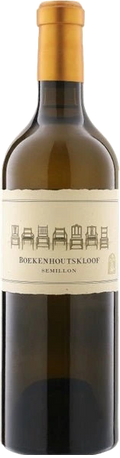
Boekenhoutskloof Semillon Branco 2022
Boekenhoutskloof Semillon Branco 2022 - 2022 is backordered and will ship as soon as it is back in stock.
Buy a case of 6 and save 10%
€47.61
per bottle
€317.40
€285.66
case of 6
Discount applied automatically in the cart. Cannot be combined with other codes.
- Free shipping in Portugalfrom €80
- Secure paymentSSL · MB Way · card
- Returns14 days
- KlarnaPay in 3, interest-free

Boekenhoutskloof Semillon Branco 2022 - 2022 is backordered and will ship as soon as it is back in stock.
Producer
Boekenhoutskloof Winery
Swartland, South Africa
Boekenhoutskloof is a historic farm in the Franschhoek valley, established in 1776; its name means 'ravine of the Boekenhout', the Cape beech trees. Bought and restored in 1993, with new vineyards planted, it welcomed Marc Kent as its first winemaker in 1994; he is now managing partner and technical director. It is best known for its Syrah.
- Region
- Swartland, South Africa
Key facts
- Farm established in 1776
- Restored in 1993
- Marc Kent, winemaker since 1994
Winemaking team
Winemaker
Marc Kent
Estates they work with


TECH SHEET
Tap any tile to learn more
- Vintage
- 2022
- Country
- South AfricaSouth Africa
- Region
- Franschhoek
- Type
- White
- Producer
- Boekenhoutskloof Winery
- Winemaker
- Marc Kent
- Alcohol
- 13% vol.
- Bottle
- 750 ml

Vintage
2022
4 years
White wine: fermented without the skins, favouring freshness and aroma.
Region · South Africa
Franschhoek
See wines from Franschhoek, South Africa.
- Country
- South Africa
- Producer
- Boekenhoutskloof Winery
- Grapes
- 98% Semillon, 2% Muscat d'Alexandrie
Type
White
White wine: fermented without the skins, favouring freshness and aroma.
Producer
Boekenhoutskloof Winery
Swartland, South Africa
Boekenhoutskloof is a historic farm in the Franschhoek valley, established in 1776; its name means 'ravine of the Boekenhout', the Cape beech trees. Bought and restored in 1993, with new vineyards planted, it welcomed Marc Kent as its first winemaker in 1994; he is now managing partner and technical director. It is best known for its Syrah.
- Region
- Swartland, South Africa
- Winemaker
- Marc Kent
Winemaker
Marc Kent
- Producers & estates
- Boekenhoutskloof Winery, Companhia de Vinhos Invencível
Grapes
Grapes in this wine
- Semillon98%See wines with Semillon
- Muscat d'Alexandrie2%See wines with Muscat d'Alexandrie
Alcohol
13% vol.
ABV shows the % of alcohol by volume.
Guide scale for wine — suggestion by style.
Bottle
750 ml
≈ 6 125 ml glasses
Wine profile
Body
This wine: 4 out of 5 — closer to «full».
How heavy and full the wine feels in your mouth — from light like skimmed milk to rich like cream. It comes mainly from alcohol, extract and, in sweet wines, sugar.
Wine profile
Alcohol
This wine: 3 out of 5 — right in the middle (13% vol.).
Alcohol brings warmth and body. Still wines usually sit between about 11% and 15% ABV, while fortified wines such as Port sit around 19–20%.
Wine profile
Sweetness
This wine: 1 out of 5 — closer to «dry».
The residual sugar you can taste. EU label guide for still wines: dry up to ~4 g/L, medium-dry up to ~12 g/L, medium-sweet up to ~45 g/L, sweet above that.
Wine profile
White
Tap or hover a scale
Typical: average of 453 whites at Vinogrande
Tasting notes
Producer's notes
Critics & awards
- Tim Atkin MW
- James Suckling
- Robert Parker
Serve & enjoy
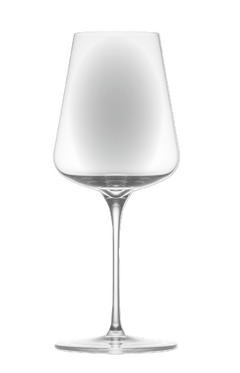

UNO Plus Universal
A balanced bowl that works across very different styles: practical every day and at a table with several wines.
- MaterialMachine-blown crystal
- UnitsSet of 2
- DishwasherYes, per the maker
- ReferenceSW1010PLUS
What it does
- Opens the aromas
- More surface to aerate
- Balances acidity
Best wines
Fresh whites, rosés, aromatic reds, sparkling wine and Port.


Care
- Dishwasher-safe
- Dry and polish with microfibre
- Store upright, never stacked
Why for this wine: Fresh, aromatic white → UNO Plus Universal.

How to serve this wine
- Temperature8–10 °C
- Open / decanton opening
- Fill toa third of the glass
Explore other glasses
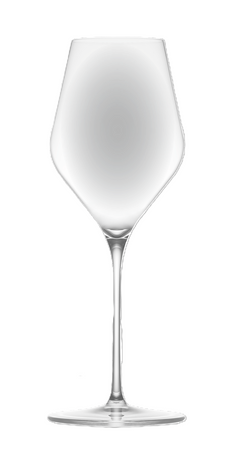

UNO Perlé Sparkling
The slender shape keeps the bubble longer and concentrates the aromas; made for everyday use.
- MaterialMachine-blown crystal
- UnitsSet of 2
- DishwasherYes, per the maker
- ReferenceSW1010PERLE
What it does
- Keeps the bubble
- Opens the aromas
- Balances acidity
Best wines
Sparkling wine, Cava, Prosecco, Champagne.


Care
- Dishwasher-safe
- Dry and polish with microfibre
- Store upright, never stacked
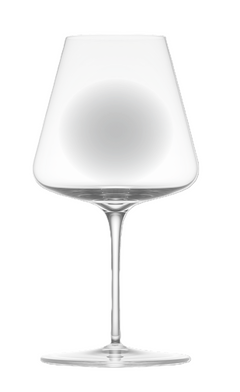

UNO Red Tinto
The tulip concentrates fruity aromas and softens the perception of acidity; light and sturdy for everyday use.
- MaterialMachine-blown crystal
- UnitsSet of 2
- DishwasherYes, per the maker
- ReferenceSW1010RED
What it does
- Opens the aromas
- Balances acidity
- Softens the tannins
Best wines
Light reds with fresh acidity and soft tannins: young Pinot Noir, Gamay, young reds from Dão or Galicia.


Care
- Dishwasher-safe
- Dry and polish with microfibre
- Store upright, never stacked
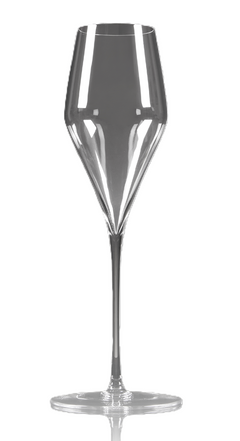
Slender tulip bowl: keeps the fine bubble and reveals the aromas.
from €48.60
Sophienwald Phoenix Champagne
The tulip shape with a narrower rim holds the sparkle, while the bowl, a little wider than a flute, lets the aromas of bottle age show.
- MaterialMouth-blown
- Units1 or 2 (gift box)
- DishwasherHand-wash preferred
- ReferenceSW1007
What it does
- Keeps the bubble
- Opens the aromas
- Balances acidity
Best wines
Champagne, traditional-method sparkling wine, Cava, sparkling rosé.
Care
- Hand-wash in warm water
- Dry and polish with microfibre
- Store upright, never stacked
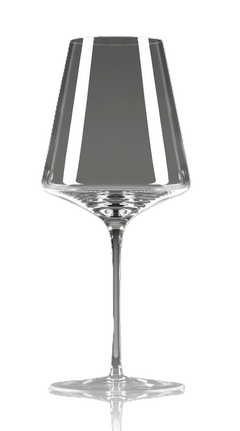
Tall, generous bowl: aerates and softens the tannins of full-bodied reds.
from €48.60
Sophienwald Phoenix Bordeaux
The large bowl gives the wine surface to open its aromas, and the height directs the wine to the middle of the palate, balancing tannin and fruit.
- MaterialMouth-blown
- Units1 or 2 (gift box)
- DishwasherHand-wash preferred
- ReferenceSW1030
What it does
- Opens the aromas
- More surface to aerate
- Softens the tannins
Best wines
Full-bodied, tannic reds: Cabernet, Touriga Nacional, Douro, Alentejo, Rioja, Ribera del Duero.


Care
- Hand-wash in warm water
- Dry and polish with microfibre
- Store upright, never stacked
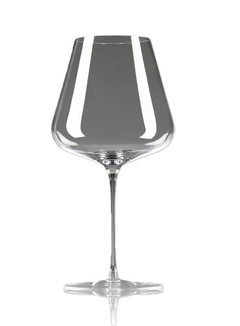
Wide balloon bowl: gathers the delicate aromas of Pinot Noir and Chardonnay.
from €48.60
Sophienwald Phoenix Bourgogne
The wide bowl and tapering rim concentrate fine, complex aromas; ideal for aromatic wines with lively acidity.
- Height23 cm · Ø 13 cm
- MaterialMouth-blown
- Units1 or 2 (gift box)
- DishwasherHand-wash preferred
- ReferenceSW1002
What it does
- Opens the aromas
- More surface to aerate
- Balances acidity
Best wines
Pinot Noir, Burgundy, Barolo, Brunello, oak-aged Chardonnay, light and elegant reds.
Care
- Hand-wash in warm water
- Dry and polish with microfibre
- Store upright, never stacked


Not sure? Ask our AI Sommelier NEW
Pairings, alternatives and advice in seconds
Description
Boekenhoutskloof Semillon Branco 2022 is a prestigious South African white made from old vines in the Franschhoek Valley, some planted in 1902. The Boekenhoutskloof 2022 Franschhoek Semillon comes from a parcel of old vines, one of the oldest in the Western Cape, planted in 1902. Another vineyard on sandy soils was planted in 1942 and another on granite soils in 1956. The Muscat is picked last and put into Tava clay pots to keep it as neutral as possible.
What to serve with this wine
Dishes calculated from this wine’s profile, grapes and region.
Help me choose
Is this wine for you?
Three similar wines from our shop, same type, matched on region and price.
…
- Gift messageYou can write a gift message in your basket before checkout.
- Deliver to someone elseAt checkout, enter the recipient's address as the delivery address.