
Review & get 10% off
Review this product and we’ll give you 10% off your next purchase. Write a review →
We offer 10% off your next purchase for every honest review, positive or negative.
Thank you for your review!
Here is 10% off your next purchase:
One use per customer. Cannot be combined with other offers.
We offer 10% off your next purchase for every honest review, positive or negative.
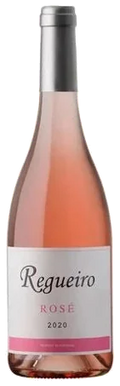
Quinta do Regueiro Rosé 2020
Quinta do Regueiro Rosé 2020 is backordered and will ship as soon as it is back in stock.
Buy a case of 6 and save 10%
€7.56
per bottle
€50.40
€45.36
case of 6
Discount applied automatically in the cart. Cannot be combined with other codes.
- Free shipping in Portugalfrom €80
- Secure paymentSSL · MB Way · card
- Returns14 days
- KlarnaPay in 3, interest-free

Quinta do Regueiro Rosé 2020 is backordered and will ship as soon as it is back in stock.

Family producer
Quinta do Regueiro
Monção e Melgaço, Vinho Verde, Portugal · since 1988
Quinta do Regueiro was born in 1988 in Côto, Alvaredo, Melgaço, when the first Alvarinho vines were planted. In 1999 Paulo Cerdeira Rodrigues, the owners' son, then 23, registered the brand and released the first vintage. In 2007 he set up the company with his sister, Anabela. In 2019 Jurássico and Barricas were named Best National White by Revista de Vinhos and Grandes Escolhas respectively.
- Founded
- 1988
- Region
- Monção e Melgaço, Vinho Verde, Portugal
Key facts
- First vines in 1988
- First vintage in 1999
- Melgaço Alvarinho only
Winemaking team
Image: Imagens: site oficial quintadoregueiro.com
Winemaker
Jorge Sousa Pinto
Estates they work with


Winemaker
Paulo Cerdeira Rodrigues
Estates they work with
TECH SHEET
Tap any tile to learn more
- Country
- PortugalPortugal
- Region
- Vinho Verde
- Type
- Rosé
- Producer
- Quinta do Regueiro
Vintage
2020
6 years
Rosé: brief skin contact gives its colour and fruity freshness.
Region · Portugal
Vinho Verde
Portugal’s lush, Atlantic north-west (Minho). Cool, rainy climate and granite soils give vibrant, aromatic whites, led by Alvarinho and Loureiro.
- Country
- Portugal
- Producer
- Quinta do Regueiro
Producer
Quinta do Regueiro
Monção e Melgaço, Vinho Verde, Portugal · since 1988
Quinta do Regueiro was born in 1988 in Côto, Alvaredo, Melgaço, when the first Alvarinho vines were planted. In 1999 Paulo Cerdeira Rodrigues, the owners' son, then 23, registered the brand and released the first vintage. In 2007 he set up the company with his sister, Anabela. In 2019 Jurássico and Barricas were named Best National White by Revista de Vinhos and Grandes Escolhas respectively.
- Founded
- 1988
- Region
- Monção e Melgaço, Vinho Verde, Portugal
Wine profile
Body
This wine: 5 out of 5 — closer to «full».
How heavy and full the wine feels in your mouth — from light like skimmed milk to rich like cream. It comes mainly from alcohol, extract and, in sweet wines, sugar.
Wine profile
Tannin
This wine: 1 out of 5 — closer to «silky».
Tannins come from grape skins, seeds and oak. You feel them as a pleasant drying grip on gums and tongue — from silky and velvety to firm and chewy.
Wine profile
Acidity
This wine: 4 out of 5 — closer to «crisp».
The freshness that makes your mouth water, like a squeeze of lemon. It gives a wine tension, length and ageing potential, and makes it great with food.
Wine profile
Alcohol
This wine: 2 out of 5 — closer to «low».
Alcohol brings warmth and body. Still wines usually sit between about 11% and 15% ABV, while fortified wines such as Port sit around 19–20%.
Wine profile
Rosé · salmon
Tap or hover a scale
Typical: average of 62 rosés at Vinogrande
Tasting notes
Producer's notes
Serve & enjoy
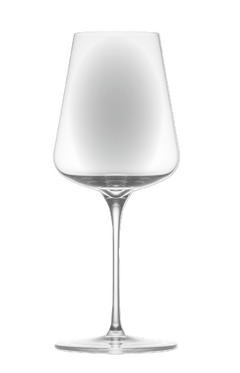

UNO Plus Universal
A balanced bowl that works across very different styles: practical every day and at a table with several wines.
- MaterialMachine-blown crystal
- UnitsSet of 2
- DishwasherYes, per the maker
- ReferenceSW1010PLUS
What it does
- Opens the aromas
- More surface to aerate
- Balances acidity
Best wines
Fresh whites, rosés, aromatic reds, sparkling wine and Port.


Care
- Dishwasher-safe
- Dry and polish with microfibre
- Store upright, never stacked
Why for this wine: Fresh rosé → UNO Plus Universal.

How to serve this wine
- Temperature8–10 °C
- Open / decanton opening
- Fill toa third of the glass
Explore other glasses
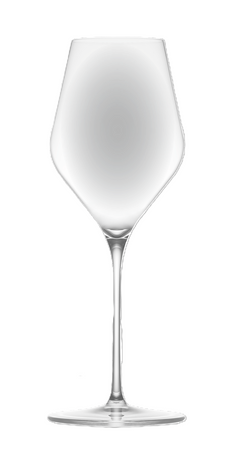

UNO Perlé Sparkling
The slender shape keeps the bubble longer and concentrates the aromas; made for everyday use.
- MaterialMachine-blown crystal
- UnitsSet of 2
- DishwasherYes, per the maker
- ReferenceSW1010PERLE
What it does
- Keeps the bubble
- Opens the aromas
- Balances acidity
Best wines
Sparkling wine, Cava, Prosecco, Champagne.


Care
- Dishwasher-safe
- Dry and polish with microfibre
- Store upright, never stacked
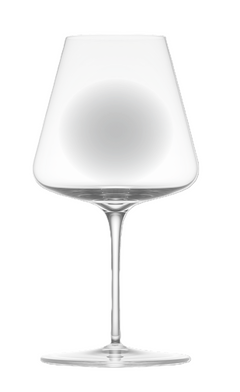

UNO Red Tinto
The tulip concentrates fruity aromas and softens the perception of acidity; light and sturdy for everyday use.
- MaterialMachine-blown crystal
- UnitsSet of 2
- DishwasherYes, per the maker
- ReferenceSW1010RED
What it does
- Opens the aromas
- Balances acidity
- Softens the tannins
Best wines
Light reds with fresh acidity and soft tannins: young Pinot Noir, Gamay, young reds from Dão or Galicia.


Care
- Dishwasher-safe
- Dry and polish with microfibre
- Store upright, never stacked
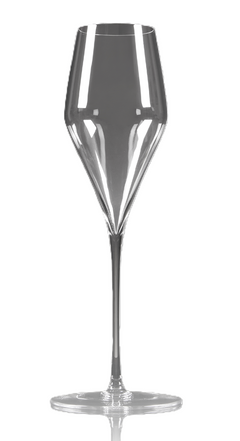
Slender tulip bowl: keeps the fine bubble and reveals the aromas.
from €48.60
Sophienwald Phoenix Champagne
The tulip shape with a narrower rim holds the sparkle, while the bowl, a little wider than a flute, lets the aromas of bottle age show.
- MaterialMouth-blown
- Units1 or 2 (gift box)
- DishwasherHand-wash preferred
- ReferenceSW1007
What it does
- Keeps the bubble
- Opens the aromas
- Balances acidity
Best wines
Champagne, traditional-method sparkling wine, Cava, sparkling rosé.
Care
- Hand-wash in warm water
- Dry and polish with microfibre
- Store upright, never stacked
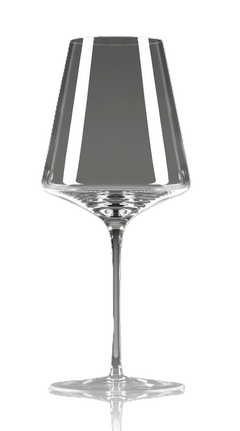
Tall, generous bowl: aerates and softens the tannins of full-bodied reds.
from €48.60
Sophienwald Phoenix Bordeaux
The large bowl gives the wine surface to open its aromas, and the height directs the wine to the middle of the palate, balancing tannin and fruit.
- MaterialMouth-blown
- Units1 or 2 (gift box)
- DishwasherHand-wash preferred
- ReferenceSW1030
What it does
- Opens the aromas
- More surface to aerate
- Softens the tannins
Best wines
Full-bodied, tannic reds: Cabernet, Touriga Nacional, Douro, Alentejo, Rioja, Ribera del Duero.


Care
- Hand-wash in warm water
- Dry and polish with microfibre
- Store upright, never stacked
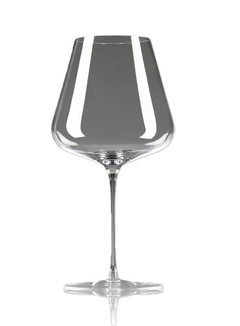
Wide balloon bowl: gathers the delicate aromas of Pinot Noir and Chardonnay.
from €48.60
Sophienwald Phoenix Bourgogne
The wide bowl and tapering rim concentrate fine, complex aromas; ideal for aromatic wines with lively acidity.
- Height23 cm · Ø 13 cm
- MaterialMouth-blown
- Units1 or 2 (gift box)
- DishwasherHand-wash preferred
- ReferenceSW1002
What it does
- Opens the aromas
- More surface to aerate
- Balances acidity
Best wines
Pinot Noir, Burgundy, Barolo, Brunello, oak-aged Chardonnay, light and elegant reds.
Care
- Hand-wash in warm water
- Dry and polish with microfibre
- Store upright, never stacked


Not sure? Ask our AI Sommelier NEW
Pairings, alternatives and advice in seconds
Description
Quinta do Regueiro has been cementing its distinctive quality stamp in the Vinho Verde region; it's the producer I've followed most closely, a regular buyer of its Alvarinhos, Barricas and Primitivo, and I'd like to be able to have more of Jurássico, one of Portugal's great whites. A newcomer I liked, aiming to be an appealing rosé for those who enjoy good wine at the table with summer food, rather than a refreshing sangria.
What to serve with this wine
Dishes calculated from this wine’s profile, grapes and region.
Help me choose
Is this wine for you?
Three similar wines from our shop, same type, matched on region and price.
…
- Gift messageYou can write a gift message in your basket before checkout.
- Deliver to someone elseAt checkout, enter the recipient's address as the delivery address.