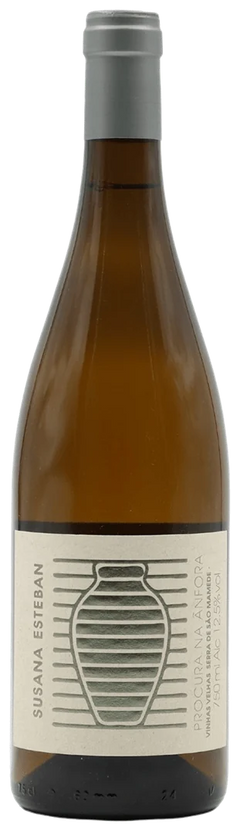
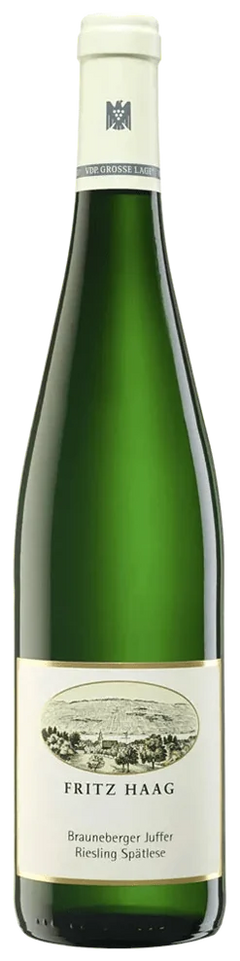
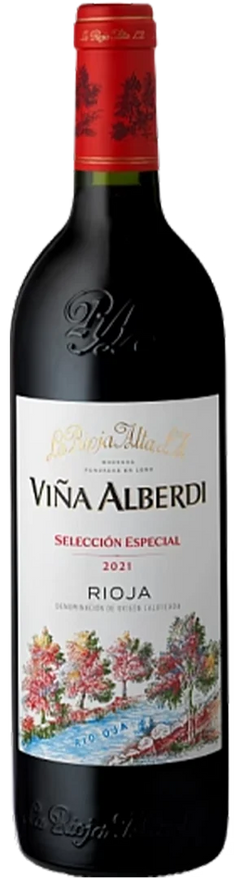
Who said an extraordinary wine has to cost a fortune?
Let me be straight with you: this is one of the biggest myths in the wine world — and in the years I've spent exploring bottles from all over the world, I've learnt that quality and a high price don't always go hand in hand. Fortunately, this idea is increasingly out of date.
Today, with easy access to information and a growing number of quality producers worldwide, it's perfectly possible to find bottles with 90 points or more at prices that won't make your wallet tremble. And believe me — some of my most memorable experiences have come from bottles that cost under €20.
At Vinogrande, that's exactly my mission: to help you discover these hidden treasures. So I've put together a practical guide — personal and honest — to help you find highly rated wines, Portuguese and international, without spending more than you need to.
What Does 90 Points or More Mean?
Before we dive into regions and bottles, let me quickly explain how the scoring system works — because I believe it changes the way you choose a wine.
Scores are given by world-renowned critics and specialist publications such as Wine Spectator, Robert Parker (Wine Advocate) or the critic James Suckling. The most widely used scale runs from 50 to 100 points:
Score Rating
95 – 100 Classic and extraordinary
90 – 94 Excellent, highly recommended
85 – 89 Very good, recommended
80 – 84 Good, sound
In my view, a wine with 90 points or more is already more than enough for a truly memorable glass. There's no need to chase 97 or 98 points — and frankly, the price doesn't always justify the difference.
Portugal: My Country, My Wines
I can't talk about quality at a good price without starting at home. For me, Portugal remains one of the countries that best embodies this philosophy. Our wine regions make wines of unique character, from native grapes that exist nowhere else in the world — and that are winning over international critics more and more.
🔴 Alentejo — Fruit, Body and Generosity
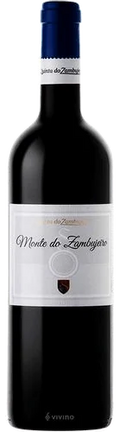
The Alentejo is perhaps the Portuguese region that best combines quality and affordability. With hot summers and rich soils, it produces reds with ripe fruit, generous body and well-integrated tannins. I've tasted dozens of Alentejo wines scoring over 90 points for €15 to €25 — and I've rarely been disappointed.
🔴 Dão — Portugal's Best-Kept Secret
Often in the Douro's shadow, the Dão is, in my opinion, one of the great secrets of Portuguese winemaking. With Touriga Nacional as its main grape, it produces reds of remarkable freshness, elegant structure and great ageing potential — all at frankly honest prices. If you haven't explored the Dão yet, do me a favour and start today.
🔵 Minho — Whites That Surprise the World
Alvarinho and Loureiro from the Minho have won over international critics with their vibrant acidity, floral aromas and citrus notes. They rarely disappoint and, in most cases, cost much less than their equivalents from other parts of the world. Personally, I have an admitted soft spot for a good Alvarinho on a summer afternoon.
🔴 Douro — Great Reds at Surprising Prices
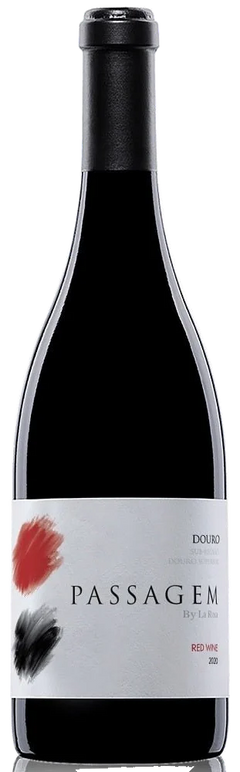
The Douro is the home of great Portuguese reds par excellence. But not every great Douro costs €50 or more — and that pleases me enormously. A wide range of producers offer 90+ point wines for between €12 and €30. You just need to know where to look — and that's what I'm here for.
The World Has Plenty to Offer Too
Portugal may be home, but I confess I long ago gave in to the pleasure of exploring wines from all over the world. And there are regions abroad producing high-scoring wines at genuinely affordable prices — wines that deserve a place in your cellar.
🇪🇸 Spain — Ribera del Duero and Rioja
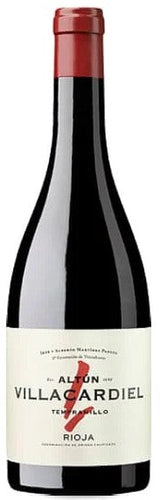
Spain is perhaps the foreign country closest to the quality-at-a-good-price philosophy. Ribera del Duero, with its powerful, concentrated Tempranillo, regularly produces 90+ point wines for between €15 and €35. Rioja, with its famous oak ageing, offers complex, elegant reds that always surprise me. These wines combine intense dark fruit, solid structure and a long finish — perfect if you want complexity without paying a fortune.
🇮🇹 Italy — Tuscany and Piedmont
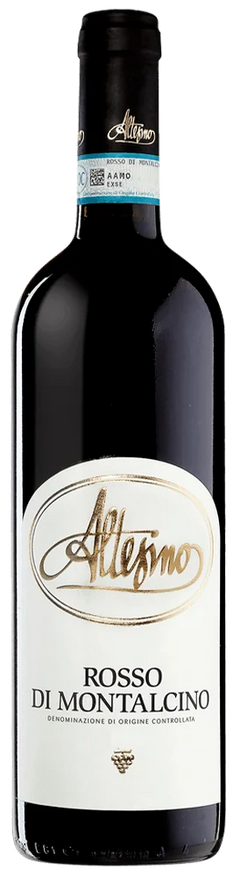
Italy means diversity and passion for wine — and it's impossible not to fall for it. In Tuscany, beyond the great Brunellos that can reach astronomical prices, there are wines such as Chianti Classico Riserva or entry-level Super Tuscans that easily top 90 points for under €25. In Piedmont, grapes such as Barbera and Dolcetto make wines of unmistakable character, with vibrant acidity and generous fruit, at very competitive prices.
🇫🇷 France — Beyond the Big Names
France is the world benchmark for luxury wine — and I respect that deeply. But not everything in France has to cost a fortune, and I'm happy to stress that. Regions such as Languedoc-Roussillon, the Rhône and Beaujolais make wines of rising quality at affordable prices. A well-chosen Côtes du Rhône or a Cru Beaujolais from a good producer can easily top 90 points and cost under €25 — surprising even the most sceptical.
Germany is a wine country with a history going back millennia, cool climates and slate and schist soils that produce wines of absolutely unique elegance and complexity. The best part? Many cost far less than the prestige they deserve.
🔵 Riesling — The Grape That Defines Germany
Riesling is, without doubt, the great ambassador of German wine. Grown in regions such as the Mosel, Rheingau and Rheinhessen, it produces whites with vibrant acidity, great freshness and an ageing potential that rivals the world's best wines.
What fascinates me about German Riesling is its versatility: it can be dry (Trocken), off-dry (Halbtrocken) or sweet — and in any of these styles you can find 90+ point bottles for between €12 and €30. Aromas of peach, apricot and white flowers, with that characteristic mineral touch, make it a truly unique experience.
🍂 Mosel — Pure Elegance
For me, the Mosel is one of the most beautiful and fascinating wine regions in the world. The vines grow on steep slate slopes above the river Mosel, producing Rieslings of ethereal lightness, crystalline acidity and a minerality that stays in the memory. They're low in alcohol — often between 8% and 11% — yet have a depth and complexity that surprise any sceptic. A good Mosel Spätlese or Auslese for under €20 is, believe me, one of the greatest affordable pleasures in wine.
What I Look for in Good Value
Over the years I've developed my own criteria for choosing a bottle with confidence. Here they are:
🍇 Region and grape — Look beyond the best-known labels. The best surprises are often in the less-publicised regions.
📰 Recent reviews — A good score for a recent vintage is always a positive sign.
🏷️ Average market price — A 90-point wine for under €20 is almost always an excellent choice.
🍾 A producer with a track record — Producers who are consistent across vintages offer more assurance of quality.
🌍 Mix up your origins — Don't limit yourself to one region or country. The world of wine is huge and full of hidden treasures.
My Final Tip
Using scores as a guide is an excellent way to navigate the vast world of wine, especially when exploring lesser-known producers or regions. But always remember something I never forget myself:
The most important score is yours.
The best wine is the one you enjoy, that suits the moment and doesn't weigh on your pocket. At Vinogrande, that's exactly what I look for on your behalf — wines worth every cent, whether from Portugal or any corner of the world.
Explore our selection of highly rated, moderately priced wines and discover your next favourite.
Happy tasting, and until the next glass! 🍷