
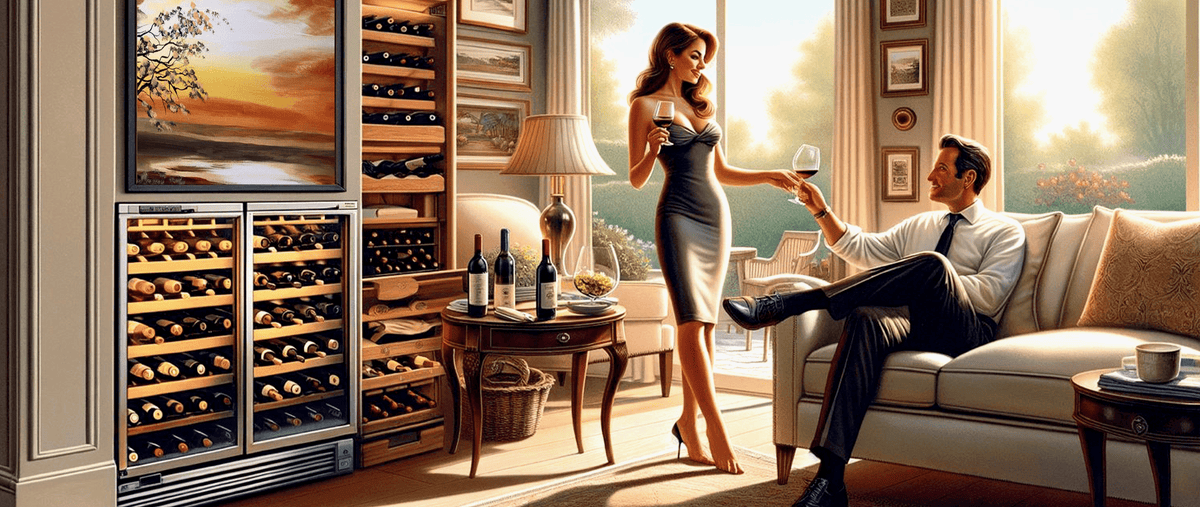
Coming home after an exhausting day, few pleasures compare with enjoying a good wine. Whether you love refreshing whites or full-bodied reds, everyone agrees that how you store wine is key to a good experience. This carefully written article sheds light on several often-overlooked aspects of wine storage, to enhance your journey through the world of wine.
What to Avoid When Storing Wine
Keeping wine beyond its peak is a common but serious mistake. Every varietal or blend has an ideal drinking and storage window, and going past it can mean a loss of quality.
Dried-out corks are another critical issue. Ideal ambient humidity is around 60%. Lower levels can dehydrate corks, allowing unwanted oxidation and evaporation and compromising the wine. Conversely, excessive humidity encourages mould, damaging labels and corks. The ideal temperature is between 12°C and 14°C, with relative humidity of 70% to stop corks drying out and keep the wine in good condition.
Exposure to light, especially sunlight, is a silent enemy of wine. UV rays can speed up ageing and alter its qualities. That's why we recommend storing wine somewhere with controlled lighting, preferably dark, to preserve the integrity and complexity of its aromas and flavours.
Managing a Home Cellar
Managing a cellar well isn't just a question of space but of understanding and respecting wine. A selection of everyday wines should be kept outside the main cellar: as these bottles are for drinking soon, they don't need the same strict storage conditions.
How to Keep Wine Once It's Open
Once the bottle is open, there are some essential practices. Reusing the cork correctly, with the exposed side facing inwards, is crucial to prevent oxidation. Keep the bottle upright in the fridge — counter-intuitive for many people, especially with red wine. Chilling slows oxidation, extending the wine's life. A vacuum pump is an efficient way to remove air from the bottle and keep the wine fresh for longer. Remember, though, that most opened wines should be drunk within three days.
Perfect Organisation
Organising a wine collection calls for care and a personal touch. Keeping a detailed inventory is recommended, making it easier to track and choose bottles. You might arrange them by region, vintage, type of wine or a combination, depending on your tastes and what you have. Good organisation not only makes the most of the space but also makes choosing the perfect wine for each occasion more enjoyable.
Choosing Where to Store Wine
Where you keep your wine is decisive for preserving it. Choose a well-ventilated spot away from strong smells that could seep into the bottles. Stable temperatures are equally important to avoid fluctuations that can affect the wine's quality.
Investing in a Wine Fridge
For the most dedicated enthusiasts, a wine fridge is a wise investment. A dedicated unit provides a controlled environment, ideal for long-term storage and for wines to age gracefully.
Proper Ageing
Understanding wines' life cycles is essential. White and rosé wines should generally be drunk within two years, while reds can benefit from longer ageing, three to ten years, depending on the wine.
Conclusion
Updating and improving the way you store your wine can turn an ordinary experience into a discovery of rich nuances and enhanced flavours. We hope this article enriches your wine journey and inspires you to explore its pleasures ever further.


